Packaging & logistics tools
Find a calculator or workbench by task. Browse all 247 tools, or filter the directory to a single workflow.
Browse workflow pages
-
Box sizing
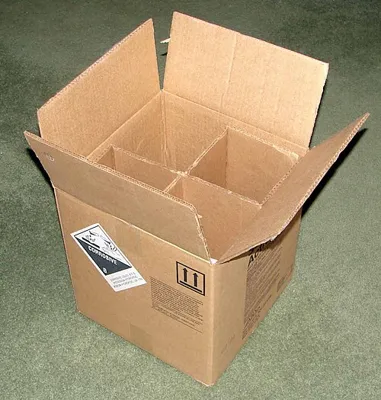
3D carton packing planner
See where each product sits inside a carton. Rotate the view, change the product orientation and check which layers fit.
-
Box sizing
Carton size comparison
Compare three carton sizes for the same order. Find the smallest qualifying carton and open any candidate in the 3D planner.
-
Box sizing
Carton internal volume
Estimate the starting capacity of a corrugated carton before allowing for dunnage, dividers or irregular products.
-
Box sizing
Carton shipping cube
Estimate the geometric cube occupied by one sealed carton in a freight or storage plan.
-
Box sizing
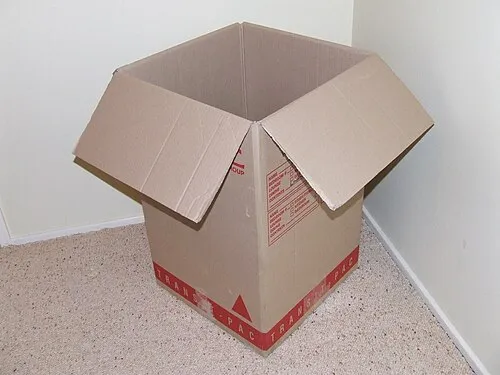
Clearance per side
Check how much room remains on either side of a centered product before choosing buffers.
-
Box sizing
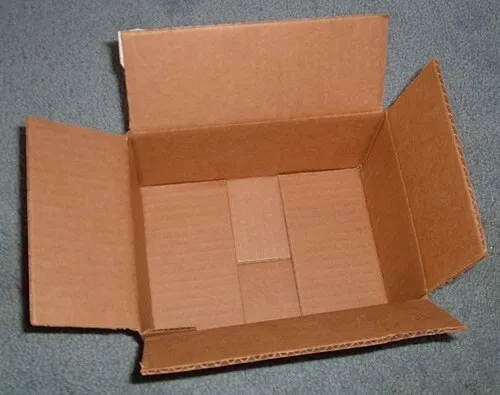
Outside edge from board caliper
Estimate the outer span of a simple carton when you have the inside drawing and board caliper.
-
Box sizing
Inside edge from outside size
Convert a measured external carton edge to an approximate usable span for one packing axis.

-
Box sizing
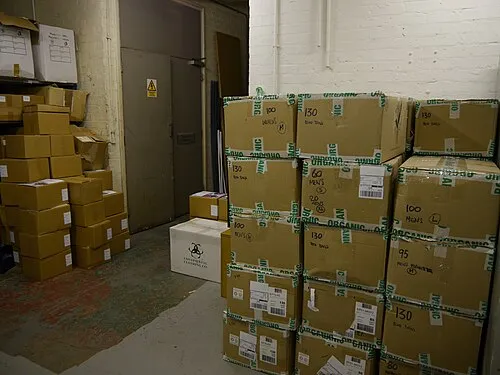
Carton footprint
Quantify the bench, shelf or staging area covered by a single carton base.
-
Box sizing
Closed carton surface area
Estimate exterior surface for coverage, cleaning or proxy material comparisons.
-
Box sizing
Rectangular product fit margin
Find the limiting axis for an item held in a fixed orientation with equal padding on all sides.
-
Box sizing
Carton base diagonal
Check an initial length limit for a thin accessory laid from corner to corner.
-
Box sizing
Flat mailer minimum width
Size a non-gusseted flexible mailer for an item with appreciable thickness.
-
Box sizing
Flat mailer minimum length
Estimate the opening-to-bottom length needed to slide a boxy item into a flat mailer and seal it.
-
Box sizing
Tube diameter for a rolled print
Allow for print thickness buildup around a core and space to remove the roll.
-
Box sizing
Mailing tube useful length
Choose a tube that leaves room for both end caps and safe retrieval of a rolled sheet.
-
Box sizing
Square box for a round item
Size the square base needed for a round container held upright with uniform radial protection.

-
Box sizing
Round item in a square box void
Estimate the corner void around a cylinder in a minimum square carton with matching height.
-
Box sizing
Mixed order carton volume share
Compare the combined geometric volume of an order with a candidate carton.
-
Box sizing
Carton height to cut down
Determine how much vertical room could be removed when sizing a reusable carton down.
-
Box sizing
Height to meet a cube target
Find the highest permissible carton for a fixed base and a planned outside cube.
-
Box sizing
End-to-end bundle carton length
Size one axis for products in a single row separated by dividers.
-
Box sizing
Divider compartment opening
Check whether equal-width compartments leave room for product insertion and removal.
-
Cushioning
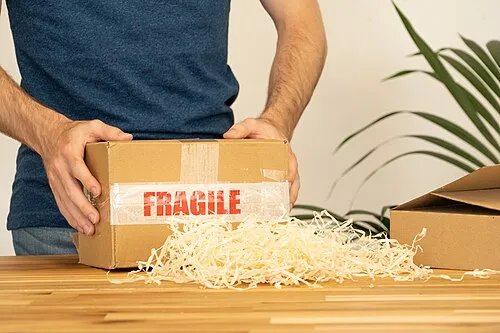
Padded product envelope
Translate an unwrapped item measurement into the outside dimension after adding two cushion faces.
-
Cushioning
Top void depth
Check for residual space above a product after putting both inserts in place.

-
Cushioning
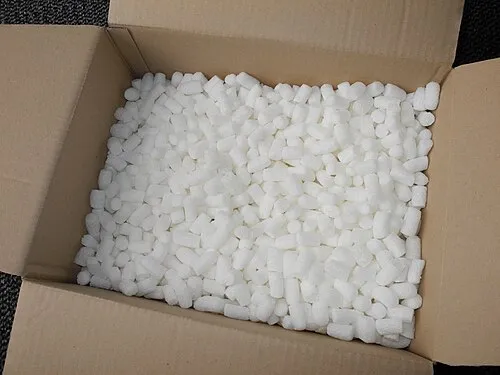
Loose fill volume for a gap
Estimate a starting scoop volume for filling a rectangular section of a shipping carton.
-
Cushioning
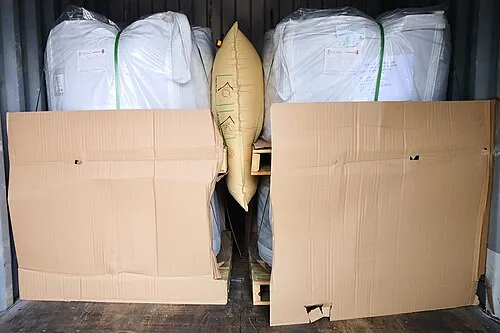
Air pillow count by void volume
Convert total void volume into a rough count of inflated pillows using a practical utilization factor.
-
Cushioning
Corner protector stock
Estimate corner-protection stock after allowing for damaged or miscut pieces.
-
Cushioning
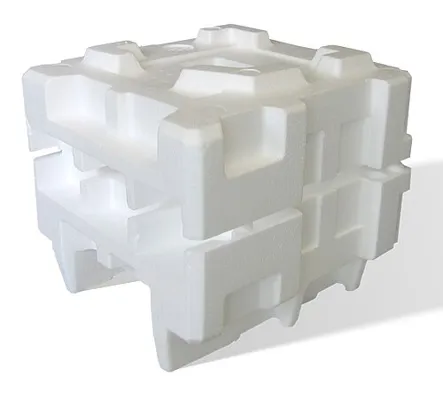
Rectangular foam insert mass
Estimate mass for a solid rectangular cushioning pad and its effect on parcel weight.
-
Cushioning
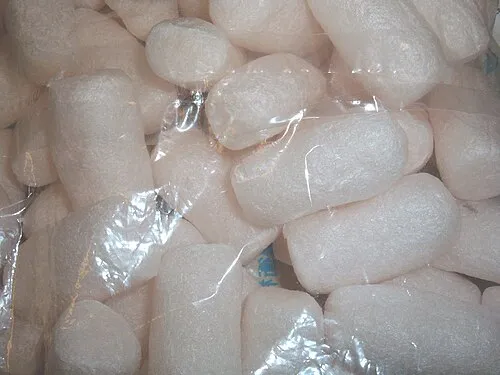
Cutout foam insert mass
Estimate how much a die-cut cavity changes the weight of a foam insert.
-
Cushioning
Wrap length for multiple turns
Plan sheet length for repeated wraps around a rounded profile, where later wraps travel farther.

-
Cushioning
Kraft paper roll yield
Estimate how many orders a paper roll can support after removing startup and damaged end length.

-
Cushioning
Kraft paper per parcel
Check the shipping weight effect of adding a second or third sheet of kraft wrap.

-
Cushioning
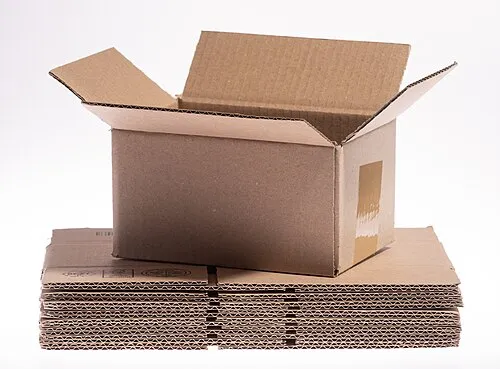
Pad coverage of the carton base
Estimate how much of the carton base is covered by one flat pad.
-
Cushioning
Compressed cushion thickness
Convert observed compression into installed cushion height during a packing trial.

-
Cushioning
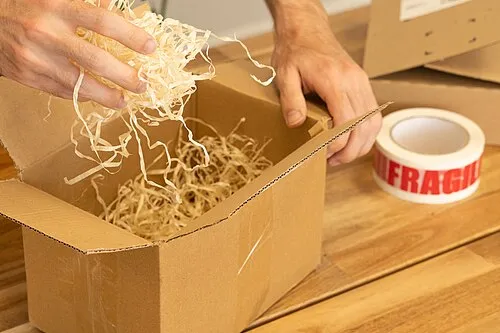
Average static bearing pressure
Estimate average static pressure across matching cushion contact patches.
-
Cushioning
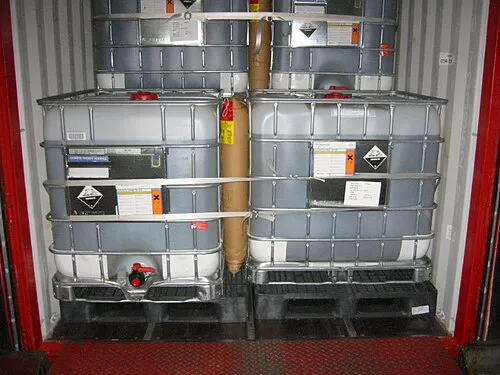
Package drop energy estimate
Compare the energy scale of two controlled package drop trials before sampling product damage.
-
Cushioning
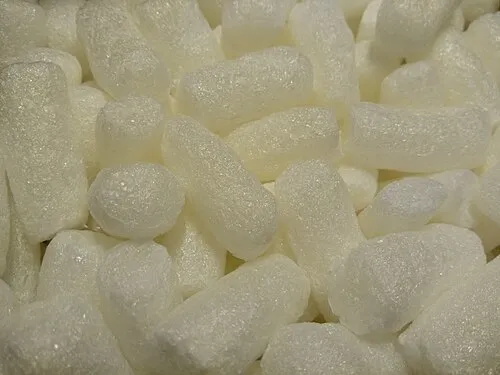
Static load per support insert
Divide the estimated static load above a carton across identical support inserts.
-
Cushioning
Loose fill settling depth
Document how much void fill collapses after a vibration or handling trial.

-
Cushioning
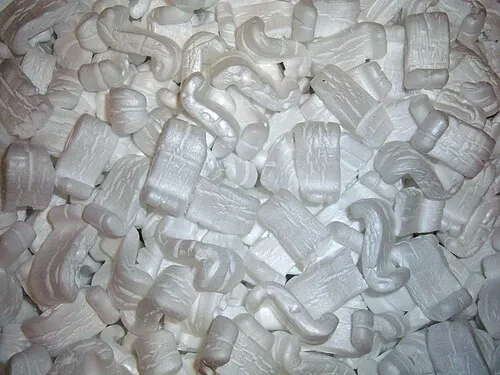
Honeycomb wrap cut length
Use an in-house stretch sample to plan the cut length for honeycomb paper around a product.
-
Cushioning
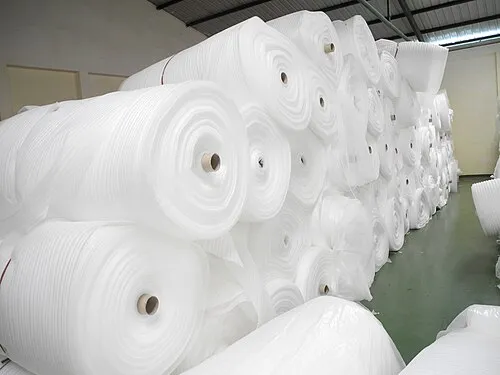
Bubble wrap roll coverage
Calculate effective flat area before cutting bubble wrap into sheets.
-
Cushioning
Layer separator stack height
Check how dividers and end padding affect the total height of a multilayer product pack.

-
Cushioning
Total edge guard length
Translate repeated carton edge lengths into a purchasing quantity for cut-to-length guards.
-
Shipping rates
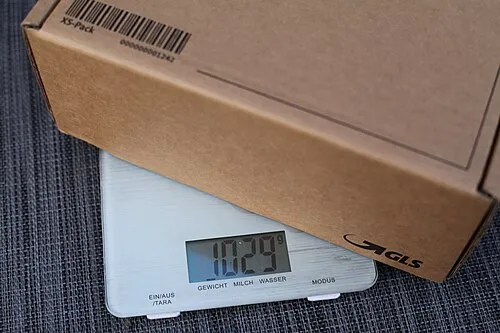
Dimensional weight calculator
Compare the geometric weight of a sealed parcel with its scale weight to see what could drive the charge.
-
Shipping rates
Billable weight estimator
Apply an upward weight increment after choosing the greater of scale and dimensional weight.
-
Shipping rates
Length plus girth
Measure the combined length and perimeter used in some parcel-size limits.

-
Shipping rates
Maximum permissible shortest edge
Solve a length-plus-girth limit for the remaining carton edge during a resize.
-
Shipping rates
Shipping cube after edge rounding
Estimate how upward rounding on each individual edge changes recorded volume.
-
Shipping rates
Height allowed at a dimensional weight tier
Identify a carton height target that keeps dimensional weight within a selected tier for a fixed footprint.
-
Shipping rates
Weight-volume crossover density
Find the shipment density at which actual weight matches unrounded dimensional weight.
-
Shipping rates
Rate with minimum billable weight
Estimate a linear rate when the contract charges at least a defined weight minimum.

-
Shipping rates
First weight and continuation charge
Model a quote with a first-weight price followed by a charge for each started increment.
-
Shipping rates
Fuel surcharge estimator
Estimate the fuel line from the subtotal that the carrier designates as fuel-eligible.
-
Shipping rates
Remote area fee with a floor
Model a remote delivery fee defined as the greater of a weight charge and a minimum fee.
-
Shipping rates
Multi-fee shipping budget
Build a parcel quote from the fee lines you expect to find on the invoice.
-
Shipping rates
Carrier quote price gap
Compare two all-in quotes for the same parcel and service requirements.

-
Shipping rates
Split-versus-single shipment difference
Test whether splitting an order into two separately billed cartons reduces its total fulfillment spend.
-
Shipping rates
Consolidation freight ceiling
Set a maximum acceptable transport quote for a combined shipment before rebuilding the pack.
-
Shipping rates
Three-zone blended shipping cost
Build a planning rate that reflects your actual mix of nearby and distant orders.

-
Shipping rates
Freight cost per delivered kilogram
Compare shipment efficiency against the actual product mass that reached customers.
-
Shipping rates
Contribution needed to absorb shipping
Estimate how much revenue contributes enough gross margin to pay for shipping and fulfillment.
-
Shipping rates
Carrier invoice variance
Quantify the difference between a carrier invoice and a like-for-like estimate for the same parcel batch.
-
Shipping rates
Remaining length-plus-girth headroom
Show how much shipping-size room remains after reserving a measurement margin.
-
Pallet loading
Uniform pallet layer capacity
Compare the two consistent orientations of rectangular cartons on a pallet base.

-
Pallet loading
Pallet layer count by height
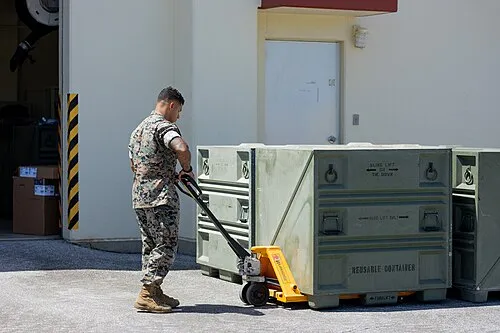
Determine the number of complete layers that fit under a loaded-height limit.
-
Pallet loading
Pallet layer count by payload
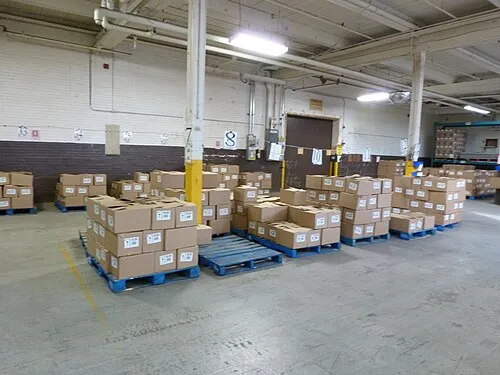
Translate a maximum payload into the number of full layers that fit under the weight limit.
-
Pallet loading
Pallet carton capacity under two limits
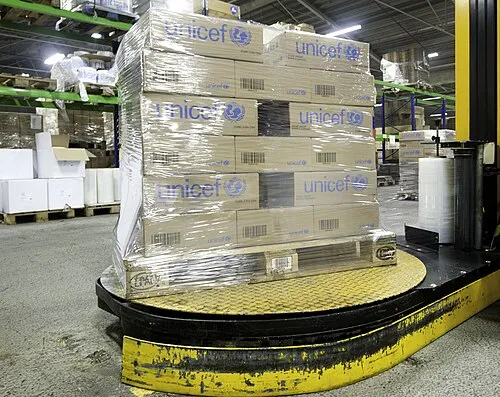
Combine a verified layer pattern with both weight and height layer caps.
-
Pallet loading
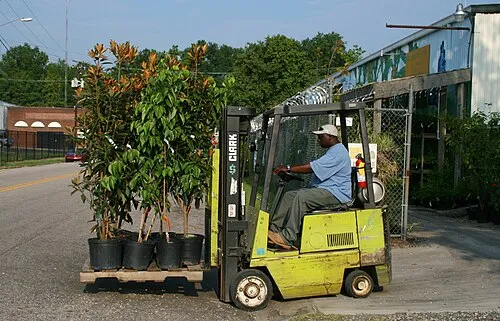
Loaded pallet height
Estimate pallet clearance for racks, forklift handling and trailer entry.
-
Pallet loading
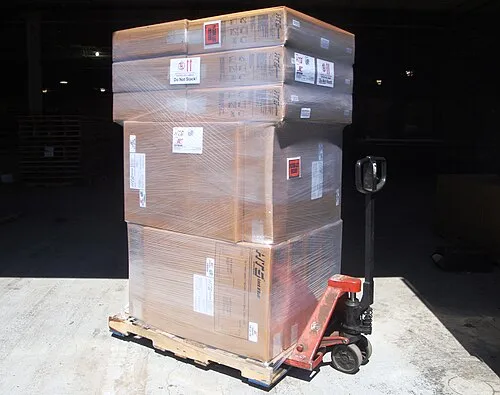
Gross pallet weight
Estimate shipment gross weight including the pallet and ancillary wrapping material.
-
Pallet loading
Carton footprint coverage of pallet
Compare the occupied base area of layer patterns developed elsewhere.
-
Pallet loading
Pallets needed for an order
Reserve sufficient pallet positions for complete and partial loads.

-
Pallet loading
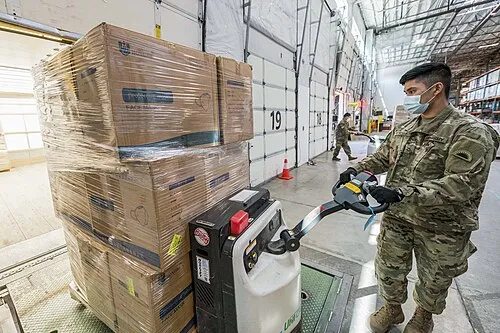
Staging lane pallet positions
Estimate how many pallet positions fit nose-to-tail in a staging lane.
-
Pallet loading
Centered pallet overhang
Measure how far a centered load would extend past each deck edge along one axis.
-
Pallet loading
Centered pallet inset
Determine the spare deck margin beyond a centered carton pattern.
-
Pallet loading
Bottom carton column load
Estimate the vertical force on a bottom carton in an aligned column before environmental allowances.
-
Pallet loading
Tested compression reserve ratio
Document the ratio between a sample compression result and an expected static working load.
-
Pallet loading
Vehicle rows from usable length
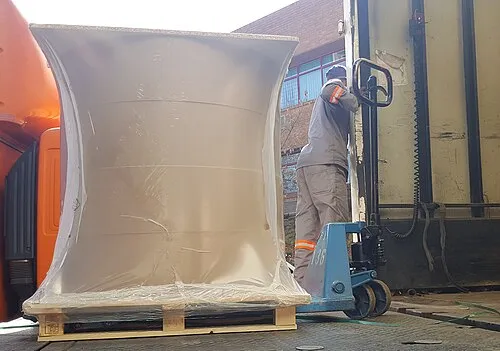
Estimate full aligned pallet rows in a vehicle after a gap allowance.
-
Pallet loading
Pallets abreast in vehicle
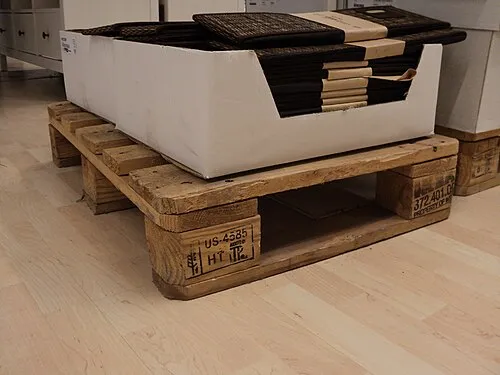
Determine how many loads fit side by side in a clear vehicle cross section.
-
Pallet loading
Pallet zone floor allowance
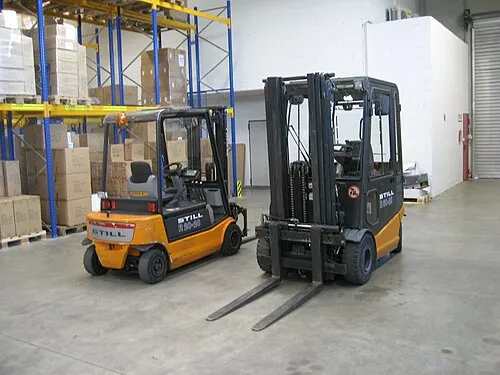
Translate net pallet footprint into a planning area that includes an allowance for movement and gaps.
-
Pallet loading
Pallet load perimeter
Find the expected horizontal film path around one rectangular load layer.

-
Pallet loading
Film bands needed for height
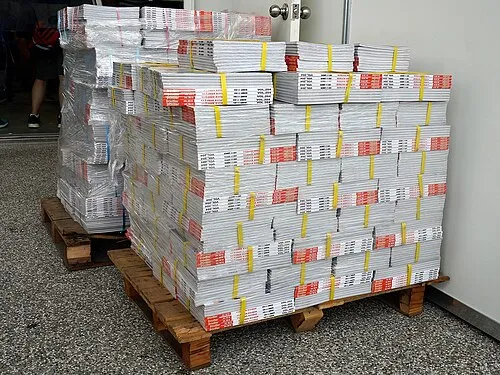
Estimate ascending wrap bands from effective coverage after overlap.
-
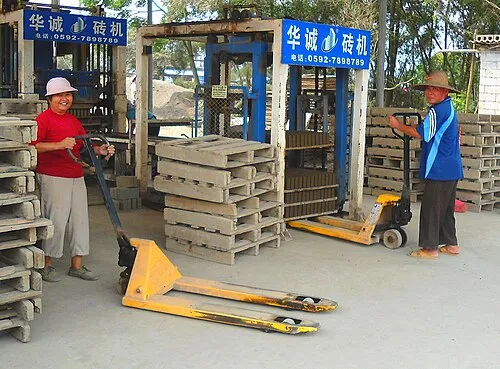
Pallet loading
Pallet film mass estimator
Estimate film mass per pallet using measured unstretched consumption and supplier material specifications.
-
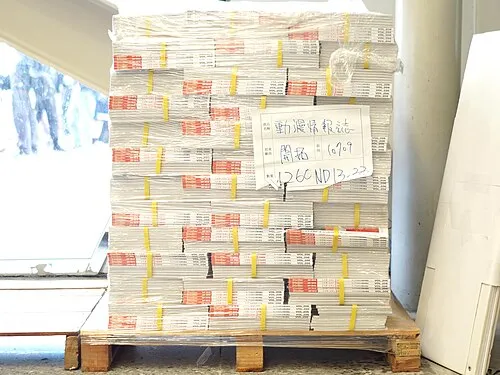
Pallet loading
Rack beam distributed load estimate
Compile an estimated mass for a rack load review and compare it with the posted rating.
-
Packing materials
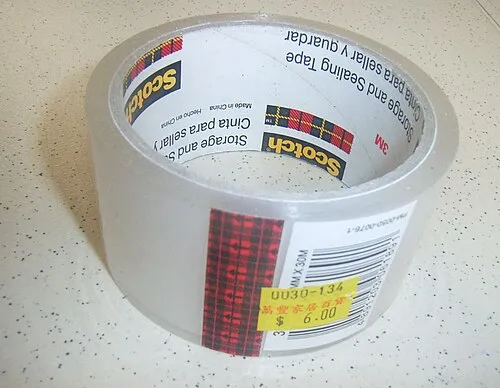
Center-seam tape strip length
Set a repeatable cut length for closing the main seam and extending down both ends.
-
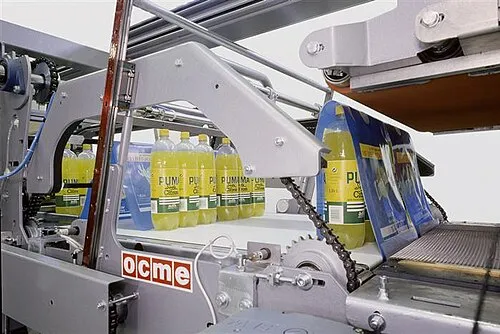
Packing materials
H-pattern tape per carton
Estimate material for one center strip and two cross strips per sealed face.
-
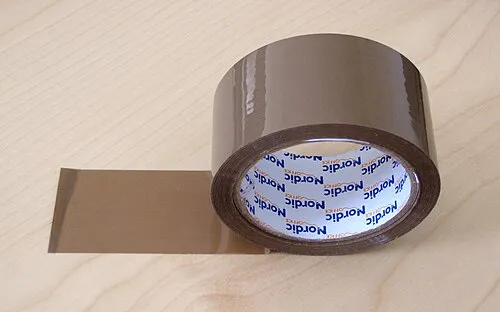
Packing materials
Tape rolls for a packing batch
Translate packed carton counts into full tape rolls required at a bench.
-
Packing materials
Strapping length for one path
Estimate material for one rectangular strapping loop in its actual plane.

-
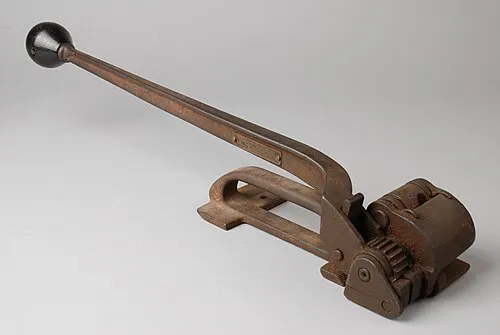
Packing materials
Strapping coil yield
Estimate the number of loads that can receive a complete set of straps from a single coil.
-

-
Packing materials
Two-wall poly mailer mass
Account for two film walls and one flap when approximating mailer weight.
-
Packing materials
Slotted carton blank area
Get a first-pass board area estimate for a regular slotted case with half-width closing flaps.
-
Packing materials
Board purchase area allowance
Convert net material requirements to purchased area after an empirically measured nesting loss.
-
Packing materials
Corrugated blank mass from grammage
Estimate the board contribution to packed weight using a cut blank's area and composite grammage.

-
Packing materials
Paper ream mass
Estimate how much sheet wrapping stock weighs when ordering or replenishing a bench.
-
Packing materials
Remaining roll length by diameters
Estimate remaining stock on partially used rolls without unwinding them.
-
Packing materials
Bag opening fit margin
Screen a flexible zipper bag against a rectangular product cross-section.

-
Packing materials
Adhesive batch consumption
Use a weighed average from test joints to estimate adhesive for a production run.
-
Packing materials
Desiccant pack rounding
Convert an existing desiccant specification into the integer number of stock sachets required.
-
Packing materials
Ties required with replenishment reserve
Prepare ties for repeated kits, with explicit spares and samples rather than a rough percentage.
-
Packing materials
Sheet trim waste share
Find the share of a sheet left outside the saleable pieces after cutting.
-
Packing materials
Nested tray stack height
Estimate the storage height of nested inserts or return trays from a measured stacking pitch.

-
Packing materials
Cap sheet cut size with edge fold
Size a loose cap sheet that folds down two opposite pallet edges.
-
Packing materials
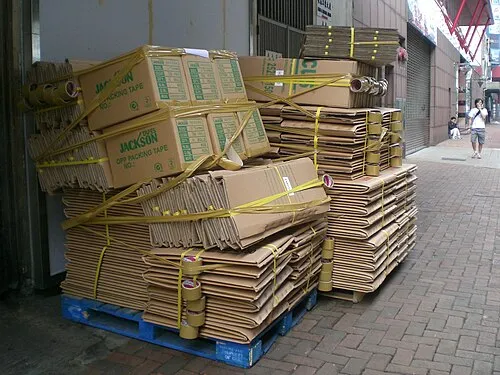
Flexible box liner useful depth
Approximate the deepest carton a flat-bottomless liner can serve after folding over the rim.
-
Labels & printing
Label grid on a sheet
Lay out matching labels in a fixed portrait or landscape orientation within the printable area.

-
Labels & printing
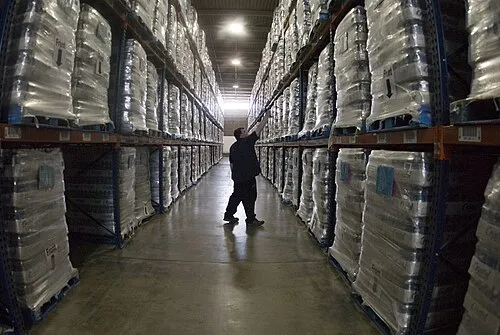
Labels remaining by roll length
Convert remaining web length to a count using the repeat pitch measured along the roll.
-
Labels & printing
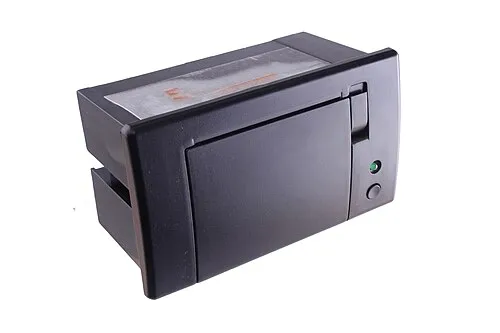
Label rolls to order
Set a replenishment quantity that includes spare labels for reprints and damaged stock.
-
Labels & printing
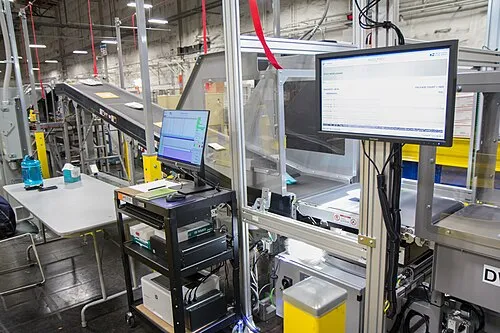
Label batch printer time
Estimate machine time for a shipping-label batch based on its physical web travel.
-
Labels & printing
Label artwork width in pixels
Size a raster export for a known label width and printer density.
-
Labels & printing
Printed barcode module pitch
Determine the physical width of a barcode module snapped to printer dots.

-
Labels & printing
Barcode width including quiet zones
Reserve physical label space for the encoded pattern and its quiet zones.

-
Labels & printing
Barcode size after fixed scale change
Diagnose whether a print driver's scaling affected the physical width of a barcode module.
-
Labels & printing
Thermal transfer ribbon yield
Estimate ribbon capacity from physical print advance and machine startup loss.

-
Labels & printing
Fully loaded label material cost
Combine consumables that are purchased on different roll sizes into one per-print figure.
-
Labels & printing
Clear panel margin around label
Check whether a centered shipping label fits between seams and tape on one carton face.
-
Labels & printing
QR printed code width
Plan physical space for a QR code and its quiet border on a parcel insert.
-
Labels & printing
Shipping label reprint rate
Track label churn as a bench quality and consumables measure.
-
Labels & printing
Label-to-order mismatch rate
Build a quality rate from a scan or audit that matches parcel labels to orders.
-
Labels & printing
Label error allowance for a batch
Translate a label error budget into an actionable count for a specific run size.
-
Labels & printing
Hang tag cord cut length
Stage consistent lengths of cord for tying fulfillment or return tags to products.
-
Labels & printing
Packing slip stack capacity
Estimate how often packing slip paper needs replenishment at a workstation.
-
Labels & printing
Printed insert mass per order
Assess the incremental shipping weight of cards, leaflets or dispatch slips.
-
Labels & printing
Centered label starting offset
Locate a label's left edge when the panel has unequal reserved margins around it.
-
Labels & printing
Print batches from a spool limit
Plan a print run that starts with a partially used spool before switching to new stock.
-
Packaging costs
Packaging bill of materials cost
Assemble recurring packaging cost from the materials that go into one outbound parcel.
-
Packaging costs
Packing labor per order
Value a measured pack cycle in labor terms to compare closure methods or stations.

-
Packaging costs
Landed packaging cost per usable piece
Spread actual acquisition costs across material stock that passed receiving inspection.
-
Packaging costs
Convert a supplier quote
Express a packaging quote in your reporting currency using a rate you supply.
-
Packaging costs
Packaging scrap value
Put an inventory cost on damaged, obsolete or unsuitable packaging after recovery credits.
-
Packaging costs
Packaging cost per successful pack
Compare pack stations by the cost of acceptable finished shipments rather than the volume of first attempts.
-
Packaging costs
Packaging share of order contribution
Show how much of a product's pre-pack contribution is taken up by materials and labor.
-
Packaging costs
Material quote spread per thousand pieces
Compare suppliers at a common order quantity after transport and procurement costs are included.
-
Packaging costs
Tier price savings by order size
Check how much a volume discount saves after the additional handling required by the larger buy.
-
Packaging costs
Packing equipment simple payback
Estimate how long recurring savings take to recover an equipment purchase.
-
Packaging costs
Break-even volume for packing automation
Estimate the minimum throughput needed to offset increased recurring fixed costs.

-
Packaging costs
Monetize minutes saved each shift
Translate shorter packing cycles into capacity value across recurring shifts.

-
Packaging costs
Expected pack-damage cost
Estimate the monthly financial exposure associated with a damage rate attributable to the packing process.
-
Packaging costs
Maximum extra protection spend per parcel
Estimate the largest per-order protection increase that could pay for itself through reduced damage.
-
Packaging costs
Annual packaging redesign impact
Combine material and freight changes in a year-one packaging project comparison.
-
Packaging costs
Packaging budget impact from price increase
Estimate exposure to a material price change without changing the demand forecast.
-
Packaging costs
Urgent packaging replenishment premium
Quantify the extra cost of emergency packaging purchases during a stockout.
-
Packaging costs
Expected repack spend for returns
Budget packaging and labor for the portion of received returns that can be prepared for resale.
-
Packaging costs
Percentage of pack cost recovered
Find how much of a period's packing spend is covered by a matching customer packaging fee.
-
Packaging costs
Paid price variance at actual volume
Isolate the portion of a packaging budget miss caused by a unit price change at actual volume.

-
Inventory planning
Carton days of cover
Estimate how long the current carton stock lasts if recent consumption continues.
-
Inventory planning
Carton reorder point
Set a reorder trigger that covers expected use during supply lead time plus a fixed reserve.
-
Inventory planning
Demand buffer from average and peak use
Estimate a simple demand buffer when peak daily carton use exceeds the baseline forecast.
-
Inventory planning
Packaging inventory position
Estimate the stock position for replenishment as supply already received or ordered less known commitments.
-
Inventory planning
Case-rounded replenishment order
Determine how many packaging pieces to buy when the supplier only sells full cases.
-
Inventory planning
Time until reorder trigger
Forecast when current packaging stock will cross the planned order trigger.

-
Inventory planning
Minimum order coverage
Evaluate whether the supplier minimum purchase fits your inventory and lifecycle horizon.
-
Inventory planning
Safety stock from demand spread
Use a demand variability estimate to plan reserve against a stable lead time.
-
Inventory planning
Packaging cycle count difference
Reconcile an audited packaging location with its system balance before adjusting stock records.
-
Inventory planning
Packaging inventory turns
Compare how often packaging stock value is consumed and replenished within a specific period.
-
Inventory planning
Average cycle stock with fixed buffer
Estimate mean packaging inventory under steady usage and full receipts of equal-size lots.
-
Inventory planning
Annual packaging inventory carrying cost
Compare inventory holding costs when reviewing order lot sizes or supplier minimums.
-
Inventory planning
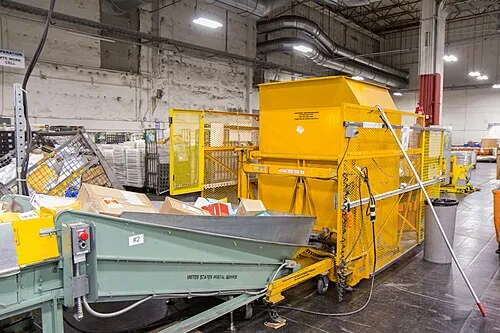
Economic purchase lot estimate
Get a starting purchase lot size for a recurring packaging item with predictable demand.
-
Inventory planning
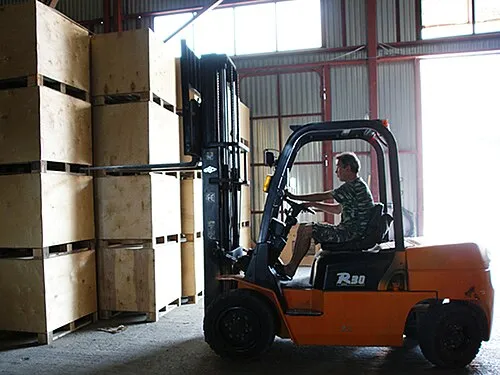
Weighted cartons per customer order
Estimate carton demand from a shipment mix where orders may split into multiple boxes.
-
Inventory planning
Tape consumed between stock counts
Reconcile tape usage when the shelf includes partial rolls and unopened receipts.

-
Inventory planning
Campaign stock demand
Translate a campaign volume uplift into material units for one specific packaging component.

-
Inventory planning
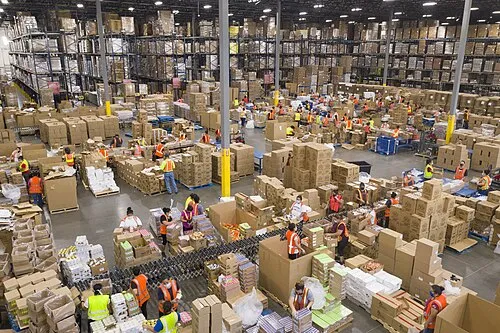
Cases to open at one packing bench
Stage enough components for a shift without moving unnecessary full cases to the bench.
-
Inventory planning
Packaging stock at risk of aging out
Flag materials such as adhesive tapes or printed seasonal inserts that may remain unused at a cutoff date.
-
Inventory planning
Projected stock shortfall at receipt
Estimate how many packaging pieces may be missing before a confirmed replenishment arrives.
-
Inventory planning
Packaging supplier unit fill rate
Measure how much ordered stock was received, accepted and usable by the agreed deadline.
-
Warehouse operations
Packing bench throughput
Estimate the hourly planning capacity of one staffed station from cycle time and availability.
-
Warehouse operations
Packing shift capacity
Translate observed station throughput into a whole-shift order forecast.
-
Warehouse operations
Packing stations needed for a rush
Size the number of parallel stations necessary to clear a fixed queue before dispatch.
-
Warehouse operations
Projected unpacked orders at cutoff
Estimate the carryover queue with current ready work, incoming work and expected team capacity.
-
Warehouse operations
Setup plus batch packing time
Plan how long one station is occupied by a homogeneous packing run and its initial changeover.
-
Warehouse operations
Two-stage packing bottleneck
Compare staffed prep and packing stages that count the same work units.
-
Warehouse operations
Average packing time by parcel mix
Forecast an average time when different package formats have distinct handling cycles.
-
Warehouse operations
Packing cycle improvement
Compare median handling time before and after a process or layout change.
-
Warehouse operations
Time to clear a growing queue
Estimate how long it takes to absorb already-ready work while additional work keeps arriving.
-
Warehouse operations
Expected open packs from flow time
Translate the relationship between steady throughput and average time into an estimated count of open work.
-
Warehouse operations
Number of overflow staging totes
Prepare enough staging totes for a wave after using existing staging capacity.
-
Warehouse operations
Mixed parcel lane utilization
Identify how heavily a staging lane is loaded when parcel footprints vary substantially.
-
Warehouse operations
Changeover time allocated per order
Show how a stable setup cost affects small and large packing batches differently.
-
Warehouse operations
Packing scan coverage rate
Check whether packing stations capture the traceability scan needed before sealing a parcel.
-
Warehouse operations
Dispatch handoff interval
Plan evenly spaced pickup handoffs when a dispatch team can accept a fixed number of batches.
-
Warehouse operations
Ready queue change during a wave
Reconcile what is still waiting for packing after release, completion and cancellations.
-
Warehouse operations
Carton transfer duration
Plan time for moving packed cartons from the pack line to dispatch in repeated trips.
-
Warehouse operations
Packaging refill interval at a bench
Forecast when frequently used stock will reach the bench's minimum quantity.
-
Warehouse operations
Overtime for excess packing demand
Size overtime against the orders left after planned regular capacity is used.
-
Warehouse operations
Effective packing time share
Track the proportion of paid station time spent on the productive activity defined for the measurement.
-
Quality control
Outbound damage rate
Track the frequency of damaged orders in a particular packaging batch or product cohort.
-
Quality control
First-pass packaging yield
Measure whether the process produces an acceptable packed order without needing correction.
-
Quality control
Packing audit coverage
Document the portion of completed packaging that received a defined inspection.
-
Quality control
Chance of encountering at least one defect
Estimate how likely a random independent sample is to encounter a defect if the underlying rate is specified.
-
Quality control
Sample size for defect detection
Choose a sample size for detecting at least one defect at an assumed defect rate and detection probability.
-
Quality control
Critical packing failures among observed defects
Check whether the observed defect mix is concentrated in failure modes requiring priority action.
-
Quality control
Packaging defects per thousand orders
Normalize defect event counts for audits of different sizes when one order can have multiple defects.
-
Quality control
Change in damage rate between designs
Assess the absolute change between comparable shipment cohorts after a packaging change.

-
Quality control
Upper defect-rate estimate after zero failures
Estimate how large an underlying failure rate may still be compatible with an independent zero-failure audit.
-
Quality control
Rework workload estimate
Convert repack and correction counts to staffed hours for a quality improvement review.
-
Quality control
Incoming packaging reject rate
Measure supplier stock quality from receiving inspections before warehouse use.
-
Quality control
Case quantity shortfall
Quantify a count discrepancy against the supplier's case pack specification.
-
Quality control
Measurement guard-band margin
See whether a measured carton or insert still clears an upper limit after reserving a guard band.

-
Quality control
Checkweigh discrepancy
Flag unexpectedly light or heavy packs using a reference weight for the order contents.
-
Quality control
Mean peel result for three tape samples
Summarize three like-for-like records from a closure materials trial.
-
Quality control
Range of observed closure force
Get a quick spread measure for a controlled comparison of repeated closure test measurements.
-
Quality control
Packed carton edge growth
Measure the increase in an outside dimension after loading, filling and sealing the carton.
-
Quality control
Packing scale check bias
Record the direction and size of a scale's error at a chosen test load.
-
Quality control
Additional failures before a target cap
Turn a target damage rate into an absolute allowance for the remainder of a shipment period.
-
Quality control
Packaging lot trace coverage
Check whether packaging lot trace is complete enough to isolate an incoming quality issue.

-
Returns & reuse
Ecommerce return rate
Measure return frequency using deliveries matched to the originating order cohort.
-
Returns & reuse
Returns requiring fresh packaging
Forecast fresh packaging demand from actual dispositions at the returns bench.
-
Returns & reuse
Repack carton stock for a return wave
Prepare carton stock for a forecasted wave of returns before the products arrive.
-
Returns & reuse
Sellable restock percentage
Measure recoverable product volume after inspection and packaging condition checks.
-
Returns & reuse
Unused return labels forecast
Quantify label stock likely to be spent without creating a return shipment.
-
Returns & reuse
Reusable carton share after collection
Record the yield of cardboard suitable for the organization's reuse standard after returns inspection.
-
Returns & reuse
Return consolidation trailer cube
Aggregate the external volume for a vendor return planned in same-size consolidation cartons.
-
Returns & reuse
Returns workstation time
Estimate inspection and selective repacking effort for a return shipment before allocating staff.
-
Returns & reuse
Reusable mailer second-seal allowance
Check whether a returnable mailer flap can accommodate first-use and return seals plus a tear band.
-
Returns & reuse
Return cases by item weight
Budget master carton quantity using a whole-number item capacity under a weight limit.
-
Returns & reuse
Variable return cost per original shipment
Allocate likely reverse shipping and packaging handling expenses across the originating orders.
-
Returns & reuse
Reusable mailer daily-flow pool
Size a working pool of returnable mailers that spend time in dispatch, transit and return processing.
-
Returns & reuse
Reusable mailer replacement demand
Forecast how many mailers need replacement after irreversible nonreturns or write-offs.
-
Returns & reuse
Cost per completed reusable trip
Compare reuse operating costs on a completed-trip basis with a single-use pack.
-
Returns & reuse
Return parcel cube change
Check whether customers or return stations use larger packs than were originally dispatched.
-
Returns & reuse
Returns awaiting a disposition decision
Reconcile returns that have arrived physically and still need a decision or disposition label.
-
Returns & reuse
Unmatched return receipt share
Measure how often a returns bench cannot connect a parcel to its authorization or shipment record.
-
Returns & reuse
Returns recovered per pallet position
Compare how efficiently different returns cohorts use a constrained storage area.
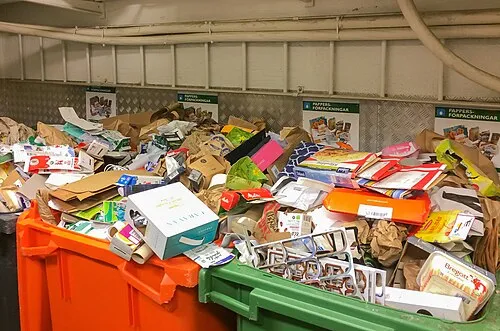
-
Returns & reuse
Return insert replenishment reserve
Forecast printed return instructions for eligible orders when the policy is channel- or product-specific.
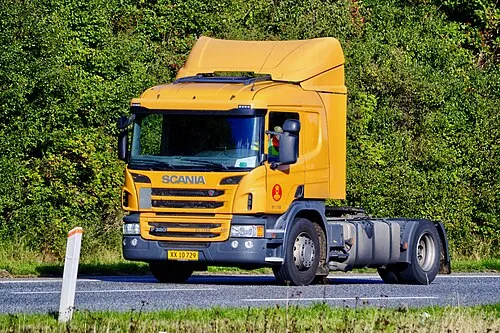
-
Returns & reuse
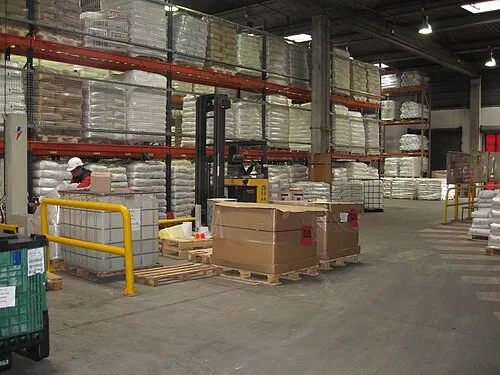
Handling labor from returns wait states
Show what duplicate handling costs when returns are paused for material or a decision.
-
Material efficiency
Packaging share of gross weight
Measure how much gross parcel weight comes from the materials added for fulfillment.

-
Material efficiency
Annual board mass saved by redesign
Translate a measured board weight change into a yearly materials forecast.
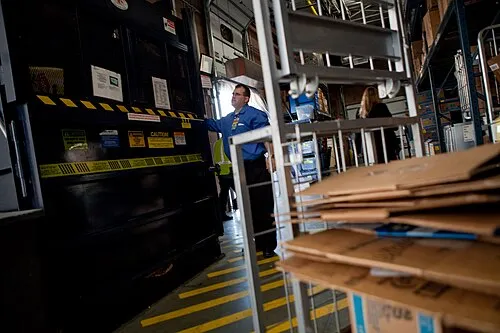
-
Material efficiency
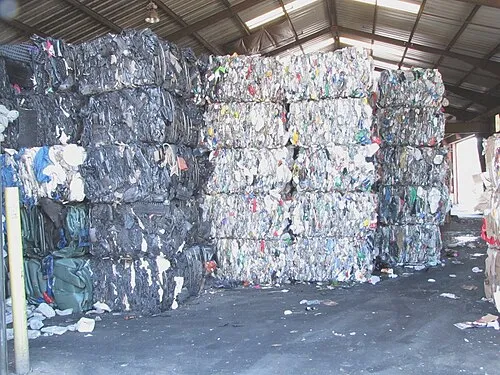
Estimated virgin material by mass
Convert a documented recycled content percentage to a material mass in a purchase or reporting period.
-
Material efficiency
Mixed-material weighted recycled content
Combine three packaging components with different recycled content and weights.

-
Material efficiency
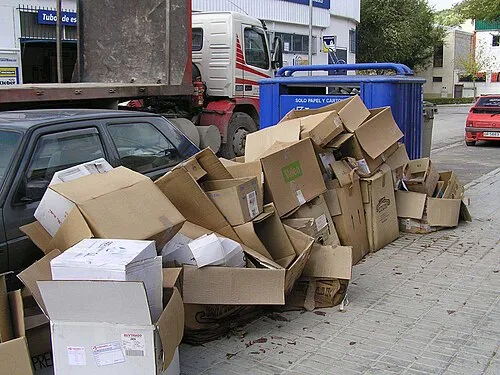
Packaging mass per kilogram of product
Normalize packaging use against delivered product mass for a pack design comparison.
-
Material efficiency
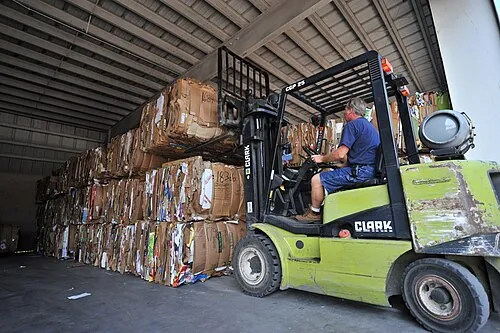
Illustrative material emissions from a supplied factor
Apply an emissions factor selected by the user to a measured packaging mass.
-
Material efficiency
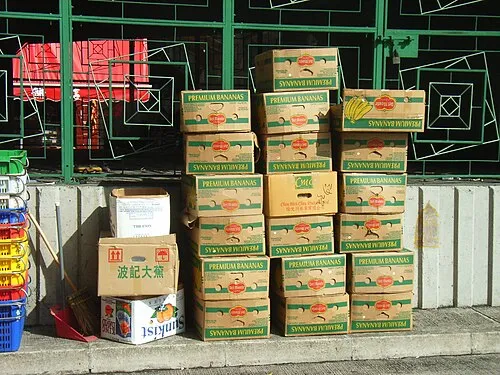
Annual external parcel cube reduction
Quantify the external volume change across shipments affected by a right-sizing project.
-
Material efficiency
Void fill use before versus after redesign
Check the material savings from a carton size or cushioning change at the current packing volume.

-
Material efficiency
Material lost to repeated packing
Measure the material penalty from pack errors, relabeling and damaged stock beyond regular consumption.
-
Material efficiency
Reusable pack mass parity trips
Estimate the number of single-use packs displaced before total single-use material mass reaches the reusable pack's mass.

-
Material efficiency
Separated paper fraction by mass
Track how much of packaging waste is reaching the designated paper stream at a facility.
-
Material efficiency
Facility packaging diversion by mass
Combine measured reuse and recovery dispositions across a common reporting period.
-
Material efficiency
Single-use boxes displaced per return loop
Estimate substitution after the initial trip from observed reuse activity.
-
Material efficiency
Weight change from format migration
Estimate portfolio-wide weight change when only part of the order mix migrates to another format.

-
Material efficiency
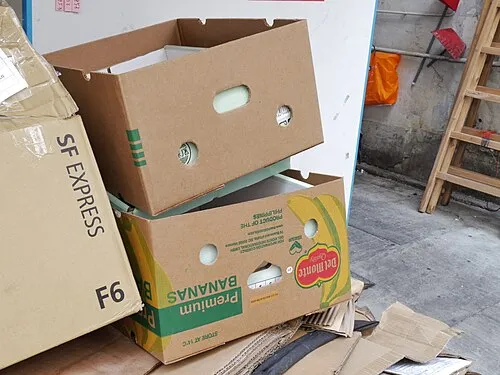
Remaining material budget for other pack components
Trade off optional materials against a packaging weight target for a known design.
-
Material efficiency
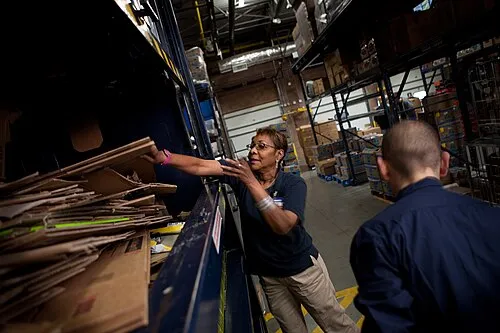
Annual resin reduction from downgauging
Estimate the annual material change when film gauge changes and package area stays the same.
-
Material efficiency
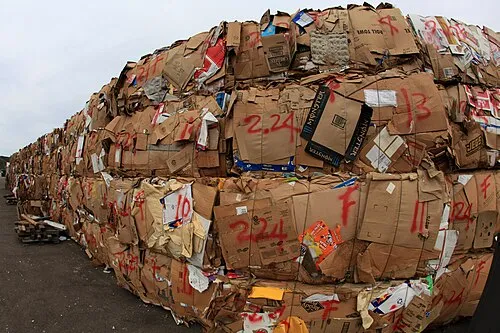
Recycled content purchased by period
Summarize the recycled portion of one packaging purchase using supplier-declared content.
-
Material efficiency
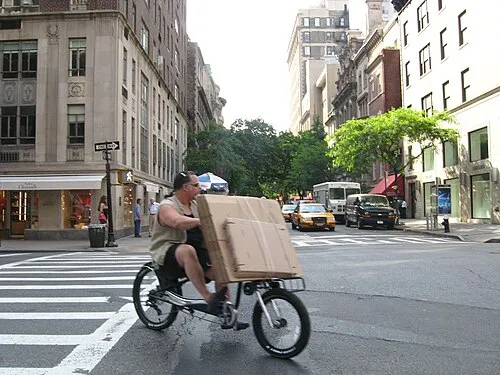
Illustrative transport estimate from tonne-kilometres
Apply a chosen transport factor to a mass-distance allocation for a shipment leg.
-
Material efficiency
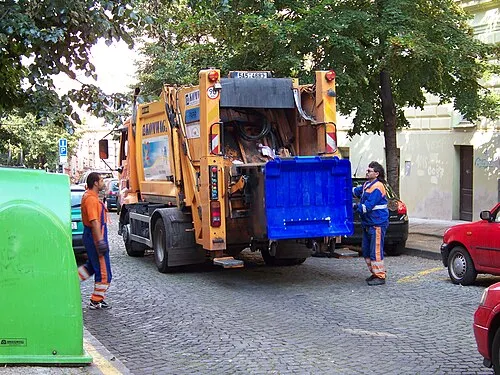
Paper waste normalized per shipped order
Compare operational paper waste across weeks with different shipment volumes.
-
Material efficiency
Estimated handling cost per recovered carton
Assess how collection, sorting and rejection costs affect a carton recovery program.

-
Packing materials
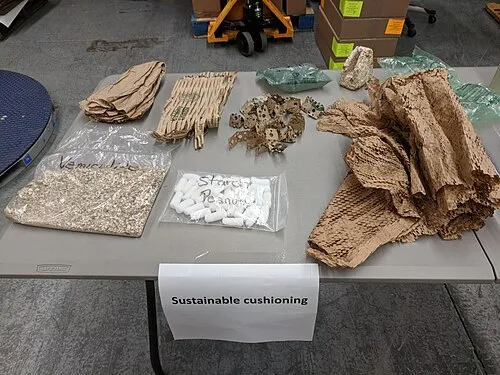
Filler material comparison
Compare kraft paper, air pillows, bubble wrap and corrugated pads by cost, storage volume, cushioning role and pack-out conditions.
-
Box sizing
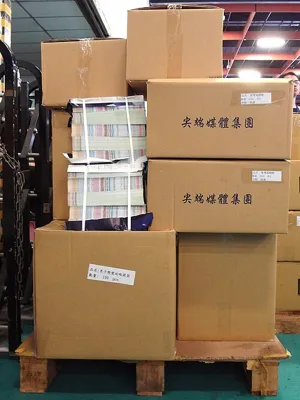
Smart carton recommendation
Upload or paste your own carton library. Screen carton fit against product dimensions, then rank qualifying options by void rate.
-
Warehouse operations
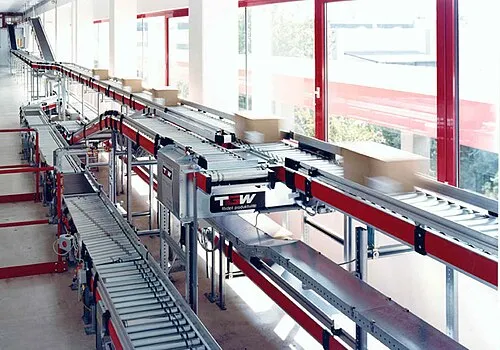
CSV batch calculator
Calculate carton fit, billable weight or packaging cost for up to 500 CSV rows at once. Download results or a printable PDF.
-
Warehouse operations
PDF packaging report
Prepare and download a packaging report with carton fit, filler choice, cost per parcel and packing instructions.
-
Packaging costs
Packaging cost history
Track dated packing costs on this device. Compare two records by component, cost per parcel and overall change.