Compare paper and film void fill on a real order mix
Measure how much usable material each format consumes, where it protects the product and what it changes downstream.
Name the job the fill is doing
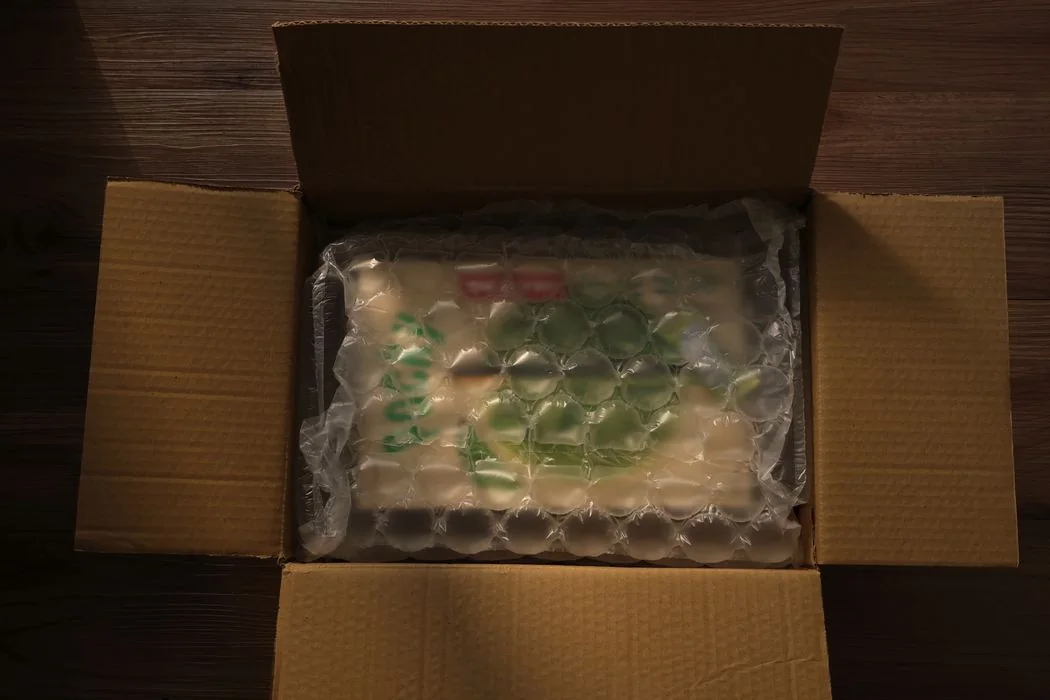
Identify whether the material keeps a lightweight item centered, prevents separate parts touching, supports a corner or closes an unused section of the carton. Build a repeatable reference with an actual order. Photograph where the material goes so you can tell whether two bench trials use the same placement despite different feel or stiffness.
Use volume to plan, then weigh a finished pack
An open 34 × 22 × 5 cm section is about 3.74 L. Adding a 12% trial allowance suggests preparing about 4.19 L of loose fill. Volume and number of handfuls are hard to compare between formats. For two 45 × 78 cm sheets at 80 g/m², paper mass is about 56.2 g. Weigh the fill used on sealed samples and record rejected or discarded material separately.
Estimate adoption and recurring use
If a verified design drops average fill from 78 to 49 g on 9,200 eligible parcels per quarter, the projected reduction is about 266.8 kg at full adoption. Separate order formats that still require the old method. Include material changes elsewhere in the pack when tracking the overall reduction.
Compare the consequences that matter
Check active pack time, sealing comfort, settling during handling and evidence of damage. Ask where the used material is likely to go and use local guidance before making recovery claims. Keep the study boundary and measurement records if publishing the result.